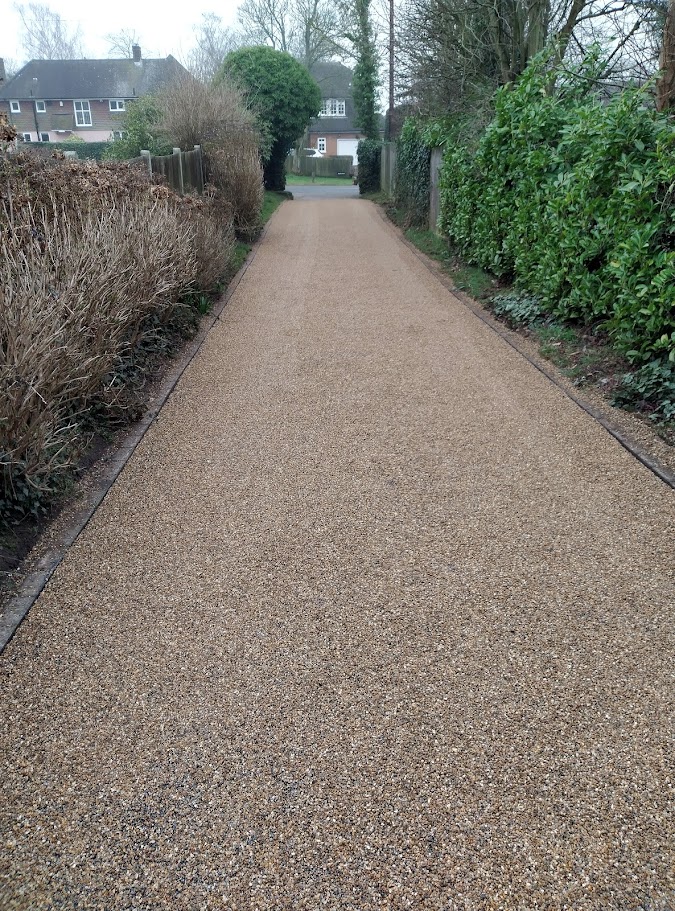
Tar and chip can provide a durable, practical surface for driveways, access roads and larger traffic areas. However, its performance depends heavily on the condition of the surface and foundation beneath it.
Existing potholes should never simply be covered with a new tar and chip layer. A pothole is often evidence of movement, water ingress or weakened base material. Unless its cause is identified and corrected, the same defect may quickly affect the new surface.
Why Proper Pothole Investigation Is Essential Before Resurfacing
Tar and chip surfacing uses a bitumen binder and stone aggregate to create a hard-wearing wearing course. It can improve an existing surface when the underlying construction remains stable, but it is not intended to compensate for significant structural weakness.
Investigating potholes allows the contractor to determine whether local repairs are sufficient or whether the surrounding area also requires preparation.
A Pothole Is Usually a Symptom of a Deeper Problem
Potholes develop when part of a surface loses support and begins to break apart. The visible hole is the final stage of a process that may have started below the surface.
Common contributing factors include:
- Water entering through cracks
- Weak or poorly compacted base material
- Repeated vehicle loading
- Inadequate drainage
- Deteriorating surface edges
- Previous repairs becoming loose
- Movement within the underlying ground
Filling the depression without addressing these conditions can leave the surrounding surface vulnerable to further collapse.
Tar and Chip Does Not Rebuild a Weak Base
A new layer can improve texture and weather resistance, but it cannot stabilise loose or saturated material underneath. If the base continues to move, cracking, sinking or surface breakup may reappear through the new finish.
Before tar and chip is applied, defective sections should be opened and examined. Any unstable material can then be removed, replaced and compacted to restore proper support.
Loose Material Can Affect Bonding
Potholes often contain dust, broken aggregate, mud and fragments of the existing surface. These materials prevent bitumen from bonding properly.
Even if the hole is roughly filled, contamination around its edges may weaken the connection between the repaired area and the new surface. Thorough cleaning and correctly prepared edges are essential for a sound result.
Water May Be Trapped Beneath the Surface
Water is one of the most common causes of recurring potholes. It may enter through cracks, collect in low points or move into the base from poorly drained edges.
Applying a new surface while moisture remains trapped can lead to further movement. The investigation should establish how water is entering and whether drainage improvements are required before resurfacing begins.
The Surrounding Area May Also Be Weak
The visible edge of a pothole does not always show the full extent of the deterioration. Adjacent material may appear intact while having little support beneath it.
A professional assessment may identify cracking, hollow areas, rutting or movement around the pothole. Extending the repair to include all weakened material creates a more stable base for the tar and chip finish.
Correct Repair Depth Matters
Shallow filling may conceal the damage without restoring the structural layers beneath it. The appropriate repair depth depends on how far deterioration has progressed.
Where only the upper surface has failed, a localised repair may be suitable. If the base has softened or broken down, the damaged section may need to be excavated more deeply and reconstructed in compacted layers.
Surface Levels Must Be Restored
Potholes and earlier patching can create uneven levels that affect the finished surface. Low areas may retain water, while raised repairs can interfere with drainage and vehicle movement.
Before applying tar and chip, repaired sections should be shaped to match the surrounding levels. The entire area should direct water towards suitable drainage routes rather than allowing it to collect.
Existing Edges Need Careful Assessment
Potholes often form close to the sides of driveways and private roads where the surface has insufficient support. Vehicles passing near the edge can cause the material to spread, crack and break away.
The repair should therefore consider:
- The strength of the adjoining ground
- Whether vehicles frequently leave the main surface
- The condition of kerbs or other restraints
- Water flowing along or beneath the edge
- Whether additional width or support is needed
Strengthening vulnerable boundaries before resurfacing can help prevent future edge failure.
Repeated Potholes May Indicate Wider Deterioration
One isolated pothole may be repaired locally if the surrounding construction remains sound. Several potholes appearing across the same surface may suggest a broader problem with the base, drainage or original construction.
In these circumstances, individual repairs may not be enough. A wider assessment can determine whether larger sections require reconstruction before the tar and chip layer is installed.
What Professional Preparation Should Include
The exact work required will depend on the surface condition, but preparation may involve:
- Identifying the cause and depth of each pothole
- Removing loose and weakened materials
- Repairing the underlying base
- Compacting replacement material correctly
- Restoring appropriate levels and falls
- Addressing drainage defects
- Cleaning the surface thoroughly
- Checking that repaired areas are stable
Only after this preparation is complete should the new tar and chip surface be applied.
Why This Preparation Adds Long-Term Value
The quality of a finished tar and chip surface is closely linked to what lies beneath it. Careful pothole investigation helps prevent hidden weaknesses from transferring into the new layer.
It also allows the surfacing work to be planned around actual site conditions. This produces a more consistent finish and reduces the likelihood of premature localised failure.
Conclusion
Potholes should be investigated before tar and chip surfacing because they may indicate weakened foundations, trapped water, poor drainage or unsupported edges. Covering them without proper repair can allow the original problem to return through the new surface.
Anglia Tar & Chip Surfacing provides professional surface assessments, preparation and tar and chip installation in Anglia, East Anglia. If your driveway or access road contains potholes, contact the team to arrange an inspection and establish the correct preparation before resurfacing.
Call us on: 01638 592 488
Click here to find out more about Anglia Tar & Chip Surfacing
Click here to complete our contact form and see how we can help with your driveway needs.